Canada-Africa Inter-Parliamentary Roundtable, Investment Tours & Legislative Retreat (CAIP-RITLR)
EXECUTIVE SUMMARY
The Canada-Africa Inter-Parliamentary Roundtable, Investment Tours & Legislative Retreat (CAIP-RITLR) is a high-level, carefully curated parliamentary training retreat. It is strategically scheduled for September 16–17, 2026, in Ottawa, Ontario, Canada, with an additional inter-parliamentary and institutional engagement session on September 18, 2026, in Toronto, Ontario.
The Retreat is conceived as a practical, knowledge-driven, and transformational program designed to bolster the professional competence, legislative efficacy, institutional understanding, policy influence, and investment leadership of African national and subnational parliamentarians.
The program will bring together Speakers of Parliament, Senators, Members of Parliament, Members of State and Provincial Assemblies, Clerks, Committee Chairpersons, Parliamentary Advisers, Legislative Researchers, Policy Experts, Development Partners, Canadian parliamentarians, former ministers, academic institutions, and strategic think tanks.
We are excited to create a welcoming space for these diverse and experienced groups to connect, share ideas, and collaborate effectively.
CAIP-RITLR offers participants advanced insights, comparative legislative understanding, practical policy tools, and institutional learning models based on the Canadian parliamentary experience, tailored to fit African governance contexts.

The Retreat focuses on eight key skills development disciplines regarded as vital for contemporary African legislators:
- Strategic Parliamentary Leadership and Institutional Governance
- Legislative Drafting, Law-Making, and Public Policy Development
- Budgeting, Public Finance Oversight, and Fiscal Accountability
- Investment Promotion, Economic Diplomacy, and Trade Legislation
- Committee Management, Public Hearings, and Evidence-Based Oversight
- Intergovernmental Relations, Decentralization, and Subnational Governance
- Conflict Resolution, Consensus Building, and Parliamentary Negotiation
- Digital Parliament, Media Engagement and Public Communication
The program further includes:
- High-level inter-parliamentary roundtable sessions
- Parliamentary Joint Committee Observer Engagements in Ottawa
- Attend the Subnational and Provincial Inter-Legislative Committee Session in Toronto
- Organized investment tours and visits to institutions
- Reflections on retreat leadership and strategic networking
- Developing action plans for participants’ local legislatures.
BACKGROUND

Across Africa, legislatures are increasingly facing complex responsibilities beyond their traditional roles. Parliamentarians are expected to manage public spending, support investment initiatives, back decentralization efforts, strengthen democratic institutions, monitor executive actions, serve their constituents diligently, and respond to rapidly changing global economic conditions.
Many national and subnational legislators still face limited access to practical training, comparative institutional studies, and specialized legislative capacity-building programs. There is a clear need for a practical, international retreat aimed at providing parliamentarians with the technical, strategic, and institutional skills necessary for effective governance in the twenty-first century.
Canada has one of the world’s most esteemed parliamentary traditions, marked by federalism, a bicameral legislature, strong committee systems, subnational independence, parliamentary professionalism, public accountability, and governance that promotes investment.
The CAIP-RITLR seeks to establish a strategic connection between African and Canadian parliamentary systems, allowing participants to:
- Gain insights from Canada’s institutional history.
- Share ideas with Canadian lawmakers and specialists.
- Enhance their respective national and subnational legislative practices.
- Create practical tools to promote oversight, accountability, and economic growth.
- Establish enduring inter-parliamentary collaborations between Africa and Canada.
Aim Of The Retreat
The goal is to enhance the leadership skills, legislative knowledge, institutional efficiency, and development priorities of African national and subnational parliamentarians through a high-level retreat, exposure to comparative parliamentary practices, and active participation with inter-parliamentary organizations in Canada.

Objectives
The Retreat seeks to:
- Improve at least eight essential professional skills for participating parliamentarians.
- Enhance participants’ understanding of contemporary parliamentary systems and committee procedures.
- Enhance skills in legislative drafting, overseeing public finances, and scrutinizing budgets.
- Improve the ability to attract investment and promote economic diplomacy.
- Enhance comprehension of federalism, decentralization, and subnational governance.
- Equip participants with skills in negotiation, mediation, and consensus-building.
- Enhance participants’ skills in communication, media, and public engagement.
- Promote collaboration between African and Canadian legislatures.
- Offer direct exposure to the Canadian Parliament and the Ontario Legislative Assembly.
- Promote the creation of reform action plans for domestic legislatures.
Strategic Alignment
The Canada-Africa Inter-Parliamentary Roundtable, Investment Tours, and Legislative Retreat (CAIP-RITLR) are deliberately created not only as separate events but as the main platform for intellectual, diplomatic, and institutional exchanges. This platform will underpin the wider Canada-Africa parliamentary cooperation framework. The Retreat serves as a vital preparatory stage, equipping African and Canadian parliamentarians, clerks, parliamentary staff, and institutional stakeholders with the knowledge, connections, technical expertise, and strategic insights necessary to fully participate in the various planned activities for September 2026.
Inter-Parliamentary Joint Committee Sessions I (Federal & National Parliamentarians: Canada & Africa) – September 25, 2026
The CAIP-RITLR will establish the groundwork for the inaugural Inter-Parliamentary Joint Committee Session involving Canadian and African parliamentarians. Its training in leadership, committee management, public finance, legislative drafting, and investment diplomacy will prepare delegates for meaningful engagement at the September 25 Session. By that time, participants will have a solid understanding of parliamentary systems, committee procedures, legislative oversight, and policy coordination, facilitating a thorough discussion on development, democracy, fiscal accountability, industrialization, trade regulations, and diplomacy.
The CAIP-RITLR will serve as a preparatory bridge, enabling African and Canadian legislators to engage more effectively on topics like economic cooperation, bilateral legislative relations, infrastructure funding, public sector reform, investment promotion, and supporting regional and international trade agreements.

Inter-Parliamentary Joint Committee Session II (Provincial & Subnational: Canada – Legislative Assembly of Ontario & African Subnational Lawmakers) – September 21–23, 2026
The Retreat will serve as the second segment of the program, engaging Provincial and Subnational lawmakers. CAIP-RITLR’s specialized course on intergovernmental relations, decentralization, and subnational governance aims to prepare Governors’ representatives, State Assembly Members, Provincial Legislators, and Municipal Leaders to communicate effectively with Ontario’s Legislative Assembly members. Covering topics such as federalism, local governance, fiscal sustainability, public-private partnerships, economic development, and service delivery, the program will equip delegates with vital tools for the dialogue scheduled from September 21 to 23. The second session of the Joint Committee is anticipated to be a key component, giving African subnational legislators a valuable opportunity to collaborate with Canadian counterparts on issues relevant to states, provinces, and local governments.
CAIP-RITLR will therefore ensure that these discussions are focused on specific policy issues, such as infrastructure delivery, education and healthcare systems, municipal administration, local revenue generation, youth employment, environmental protection, and strengthening relationships between governors, premiers, and legislative institutions. In this regard, the Retreat serves as a training ground where more effective subnational legislative partnerships and future bilateral cooperation will develop.
Inter-Parliamentary Clerks & Secretaries Dialogue (IPCSD) – September 18, 2026
The Inter-Parliamentary Clerks & Secretaries Dialogue is vital to the program, with CAIP-RITLR supporting its objectives. While parliamentarians lead politically, clerks, secretaries, advisers, and administrators handle daily operations and uphold professionalism. The Retreat’s sessions on committee administration, legislative procedures, documentation, report writing, hearings, research, and coordination will prepare clerks for effective discussions on September 18. CAIP-RITLR aims to help clerks boost efficiency, digitize services, enhance secretariat systems, and develop responsive support for lawmakers.
Equally important, the CAIP-RITLR aims to establish the IPCSD not only as a technical gathering but also as a strategic platform for developing long-term professional relationships among parliamentary administrators. It will encourage the exchange of templates, procedural innovations, committee practices, digital record systems, and legislative support methods that can help modernize parliamentary institutions across Africa.
Parliamentary Service Personnel Retreat (PSPR) – September 23–24, 2026
The Parliamentary Service Personnel Retreat will significantly benefit from CAIP-RITLR’s expanded institutional philosophy. Today’s parliamentary effectiveness depends not only on elected lawmakers but also heavily on the competence, discipline, professionalism, and dedication of parliamentary service staff, including protocol officers, security teams, administrative personnel, researchers, communication staff, legislative aides, and support officers.
CAIP-RITLR advocates a comprehensive, institution-wide strategy for sustainable parliamentary reform. The Retreat will concentrate on professionalism, ethics, communication, digital systems, and institutional excellence, laying the foundation for the PSPR. Participants will be recognized as key partners in improving parliamentary effectiveness and public confidence. The PSPR seeks to enhance service delivery, discipline, protocol, communication, crisis management, documentation, and administrative excellence, promoting a culture of responsiveness and high standards among parliamentary staff.
Elite Golf Bowl: Parliamentary Leadership Excellence, Awards & Business Networking Dinner – September 19, 2026
The Elite Golf Bowl: Parliamentary Leadership Excellence, Awards, and Business Networking Dinner will cap off the CAIP-RITLR’s parliamentary events, focusing on relationship-building beyond official meetings. Successful inter-parliamentary cooperation depends on personal bonds, trust, and informal diplomacy. The event provides a casual environment for Canadian and African participants to connect, aligning with CAIP-RITLR’s values by recognizing leadership excellence, legislative innovation, reform, public service, and intergovernmental collaboration. It also honours notable parliamentarians, clerks, committee leaders, and institutions that have advanced democratic governance and strengthened Africa–Canada parliamentary relations.
The Elite Golf Bowl, Parliamentary Leadership Excellence Awards, and Business Networking Dinner will highlight the Retreat’s emphasis on partnership, prestige, and long-term engagement. These events will serve as memorable closing moments, allowing delegates to build friendships, explore future collaborations, and reaffirm their commitment to strengthening legislative institutions, promoting Canada-Africa parliamentary diplomacy, and improving governance.
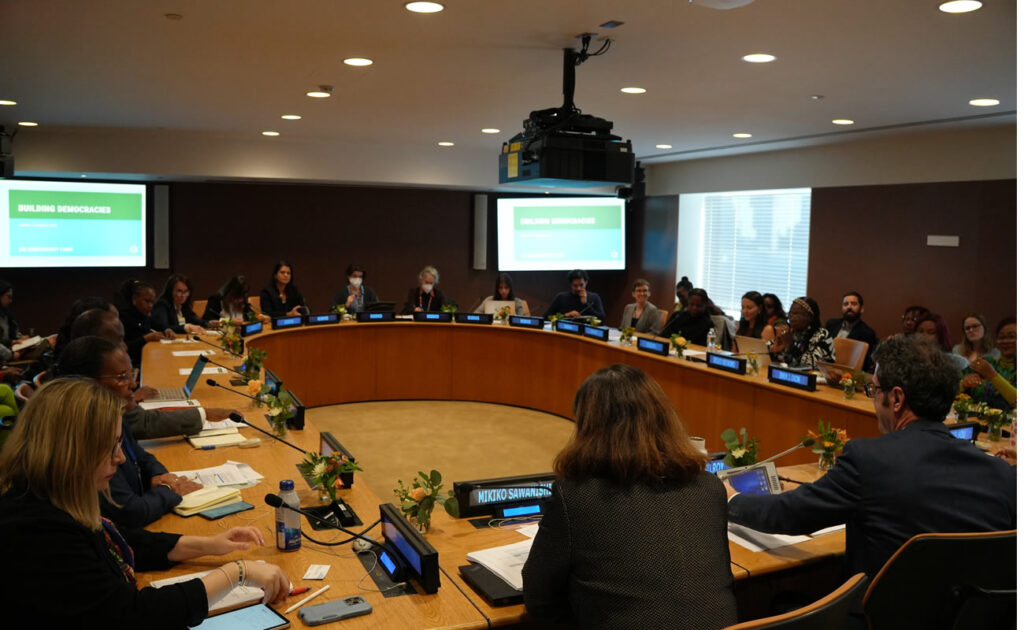
Expected Participants
The program is expected to host:
- Senators and Members of National Parliaments
- Members of State Houses of Assembly and Provincial Legislatures
- Speakers, Deputy Speakers, and Presiding Officers
- Parliamentary Committee Chairpersons
- Clerks and Committee Secretaries
- Legislative Advisers and Researchers
- Ministers responsible for parliamentary affairs
- Local Government and Municipal Legislative Leaders
- Representatives of Pan-African parliamentary institutions
- Women and Youth Parliamentarians
Expected number of participants: 200–300 delegates from all over Africa.
Eight Critical Skills Development Disciplines
Course 1: Strategic Parliamentary Leadership and Institutional Governance
Purpose
To enhance the leadership skills of parliamentarians and provide them with practical abilities in managing institutions, building legislative influence, and leading reform efforts.
Key Course Components
- Leadership styles for modern legislatures
- Ethical leadership and parliamentary integrity
- Handling political diversity and coalition dynamics
- Institutional reform and change management
- Strategic planning for parliamentary effectiveness
- Building high-performing parliamentary offices
Expected Outcome
Participants will develop into more effective institutional leaders who can facilitate parliamentary transformation.
Course 2: Legislative Drafting, Law-Making and Public Policy Development
Key Components
- Fundamentals of law-making
- Structure and Anatomy of a Bill
- Drafting motions, resolutions, and committee reports
- Translating policy into legislation
- Legislative review and amendment techniques
- Comparative analysis of Canadian and African legislative systems
Expected Outcome
Participants will build confidence in creating, reviewing, and refining legislation.
Course 3: Budgeting, Public Finance Oversight, and Fiscal Accountability
Key Components
- Understanding national and subnational budgets
- Parliamentary role in budget review and approval
- Public Accounts Committees and audit oversight
- Monitoring public expenditure and capital projects
- Anti-corruption safeguards and fiscal transparency
- Evaluating constituency projects and public investments
Expected Outcome
Participants will improve their ability to protect public resources and ensure value for money.
Course 4: Investment Promotion, Economic Diplomacy and Trade Legislation
Key Components
- The Role of Parliamentarians in Promoting Investment
- Developing supportive legislative frameworks for business and trade
- AfCFTA implementation and regional trade prospects
- Public-private partnerships and infrastructure financing
- Parliamentary diplomacy to promote foreign direct investment
- Canada-Africa Investment Cooperation Opportunities
Expected Outcome
Participants will learn how to leverage legislative influence to promote economic growth and investment.
Course 5: Committee Management, Public Hearings, and Evidence-Based Oversight
Key Components
- Designing efficient parliamentary committee systems
- Organizing public hearings and consultations
- Carrying out investigations and oversight visits
- Evidence-based decision-making
- Report Writing and Committee Recommendations
- Measuring the outcomes of policies and programs
Expected Outcome
Participants will gain the ability to lead more effective committees and perform more impactful oversight.
Course 6: Intergovernmental Relations, Decentralization and Subnational Governance
Key Components
- Federalism and the division of powers
- Relationship between federal and state legislatures
- Local government accountability
- Comparative models of provincial and state governance
- Financing local and regional governments
- Legislative backing for local economic growth
Expected Outcome
Participants will enhance collaboration between national and subnational institutions.
Course 7: Conflict Resolution, Consensus Building and Parliamentary Negotiation
Key Components
- Negotiation skills for parliamentarians
- Managing disputes within legislative chambers
- Building bipartisan consensus
- Mediation techniques for public policy disputes
- Parliamentary diplomacy and peacebuilding
- Handling politically sensitive debates
Expected Outcome
Participants will improve their skills in resolving disputes and fostering agreement.
Course 8: Digital Parliament, Media Engagement and Public Communication
Key Components
- E-parliament and digital legislative systems
- Strategic media engagement
- Crisis communication and public messaging
- Social media oversight for public accountability
- Public speaking and constituency communication
- Parliamentary transparency and citizen participation
Expected Outcome
Participants will communicate more efficiently and utilize digital tools to enhance public trust.
Important Components Of The CAIP-RITLR

The Canada-Africa Inter-Parliamentary Roundtable, Investment Tours & Legislative Retreat (CAIP-RITLR) includes a leadership retreat, eight training modules to enhance legislative skills, a dialogue roundtable, joint committee sessions in Ottawa and Toronto showcasing Canadian parliamentary practices, visits to governance and economic centers, simulations, case studies, and committee drills. It fosters networking between African and Canadian legislators, offers personalized reform strategies, and concludes with a ceremony presenting a communiqué and a framework for ongoing cooperation, mentoring, and follow-up.
Below is a breakdown of its key focus areas.
- High-Level Parliamentary Leadership Retreat
- Eight Specialized Professional Courses
- Canada-Africa Inter-Parliamentary Roundtable
- Joint Committee Sessions in Ottawa and Toronto
- Parliamentary Institutional Visits
- One-Day Investment and Governance Tour
- Bilateral Networking and Strategic Partnerships
- Development of Personal Parliamentary Action Plans
- Certificate and Executive Leadership Recognition Ceremony
- Signing of Legislative Cooperation Understandings and Future Partnerships
INTER-PARLIAMENTARY JOINT COMMITTEE SESSIONS
Subnational parliamentarians participating in the Canada-Africa Inter-Parliamentary Roundtable, Investment Tours, and Legislative Retreat (CAIP-RITLR) will attend two important Inter-Parliamentary Joint Committee sessions. These sessions aim to provide practical legislative experience, promote comparative institutional learning, and support direct engagement with Canadian parliamentary systems.
These strategic sessions will enable delegates to observe and engage in committee proceedings, exchange viewpoints with Canadian legislators, enhance their understanding of parliamentary oversight and governance, and develop practical strategies customized for their own national and subnational legislatures.
Component One: Federal Joint Committee Session – Ottawa
Venue: Parliament of Canada: Senate and House of Commons
Status of Participants
National Parliaments consist of African national Parliamentarians, with subnational (state assemblies) acting as observers.
Focus Areas
- Senate Committee Procedures
- House Committee Dynamics
- Budget and Public Accounts Oversight
- Intergovernmental Relations between Federal and Provincial Governments
- Public Consultation Mechanisms
- Parliamentary Research and Library Services
Recommended Joint Session Topics
- Parliamentary Oversight and Accountability in Modern Democracies
- Legislative Responses to National Economic Challenges
- Strengthening Committee Systems for Better Governance
- The Role of Parliament in Investment Promotion, Finance, and Trade Diplomacy
- Parliamentary Support for Infrastructure and Industrial Development
- Women, Youth, and Inclusive Representation in Parliament
- Building Trust Between Parliament and Citizens
Component Two: Provincial Joint Committee Session – Toronto
Venue: Legislative Assembly of Ontario (Proposed Host)
Status of Participants
- African subnational parliamentarians will serve as primary delegates.
- Recommended Session Elements
- Simulation of a provincial legislative committee
- Comparative discussions among African and Ontario lawmakers
- Overview of provincial policy issues
- Drafting and approving sample committee resolutions
- Shared discussion on local governance and regional development
Recommended Issues for Discussion
- Strengthening State and Provincial Legislatures
- Financing Infrastructure and Local Economic Development
- Education, Healthcare, and Municipal Service Delivery
- Natural Resource Governance and Environmental Protection
- Youth Employment and Entrepreneurship Legislation
- Improving Legislative Relations with Governors and Premiers
- Local Revenue Mobilization and Fiscal Sustainability
- Public-Private Partnerships for State Development

Methodologies
CAIP-RITLR will adopt a highly interactive, participant-centered approach to combine theoretical knowledge with practical legislative skills. The program features expert-led lectures, moderated roundtables, parliamentary simulations, case studies, role-played committee hearings, peer learning sessions, policy clinics, group projects, and strategic dialogues. Participants will engage directly with Canadian parliamentary institutions through observation visits, investment tours, and committee exchanges. Each session concludes with reflections, action plans, and customized strategies to help countries improve legislative effectiveness upon returning home.
The Retreat will employ a highly engaging and hands-on approach, including:
- Expert lectures
- Facilitated roundtable discussions
- Parliamentary simulations
- Committee hearing role-play exercises
- Peer-to-peer learning
- Case studies from Canada and Africa
- Group assignments and presentations
- Policy clinics and legislative drafting sessions
- Field visits and investment tours
- Fireside conversations with experienced legislators
Programme Schedule

The Program Schedule is carefully crafted to offer a comprehensive and engaging learning experience from September 16–18, 2026. It will include keynote speeches, specialized training sessions, moderated roundtables, inter-parliamentary committee discussions, investment tours, institutional visits, and strategic networking opportunities. Each part of the schedule builds on the previous one to improve participants’ leadership, legislative, oversight, and investment-promoting skills. The plan also allocates time for dialogue, peer exchange, action planning, and interactions with Canadian parliamentarians, academic experts, and development practitioners throughout the retreat.
September 16, 2026 – Ottawa
Time | Session | Facilitator Type |
8:00–9:00 AM | Registration and Networking Breakfast | Secretariat |
9:00–9:45 AM | Opening Ceremony and Welcome Remarks | Canadian and African Parliamentary Leaders |
9:45–10:30 AM | Keynote Address: Legislating for Prosperity | Distinguished Canadian Senator or Former Speaker |
10:45–12:15 PM | Course 1: Strategic Parliamentary Leadership | Former Speaker / Governance Expert |
12:15–1:15 PM | Lunch | |
1:15–2:45 PM | Course 2: Legislative Drafting and Public Policy | Legislative Counsel / Academic |
3:00–4:30 PM | Course 3: Public Finance Oversight | Auditor-General Expert / Committee Chair |
4:30–5:30 PM | Canada-Africa Parliamentary Dialogue Session | Moderated Roundtable |
September 17, 2026 – Ottawa
Time | Session | Facilitator Type |
8:30–9:00 AM | Recap and Reflection | Moderator |
9:00–10:30 AM | Course 4: Investment Promotion and Economic Diplomacy | Trade and Investment Expert |
10:45–12:15 PM | Course 5: Committee Management and Oversight | Former Committee Chair |
12:15–1:15 PM | Lunch | |
1:15–2:45 PM | Course 6: Intergovernmental Relations and Subnational Governance | Federalism Scholar |
3:00–4:00 PM | Course 7: Negotiation and Conflict Resolution | Senior Mediator |
4:00–5:00 PM | Course 8: Digital Parliament and Media Engagement | Communications Specialist |
5:00–6:00 PM | Closing Reflections and Preparation for Ottawa Session | Programme Director |
COURSE TITLES AND CONTENTS TABLE
September 16–17 Detailed Course Table
Course Title | Key Contents |
Strategic Parliamentary Leadership and Institutional Governance | Leadership, ethics, institutional reform, strategic planning, and coalition building. |
Legislative Drafting, Law-Making, and Public Policy Development | Bill drafting, amendments, policy analysis, legislative procedure |
Budgeting, Public Finance Oversight, and Fiscal Accountability | Budget review, audits, anti-corruption, and oversight of projects |
Investment Promotion, Economic Diplomacy, and Trade Legislation | Investment laws, PPPs, trade agreements, AfCFTA, economic diplomacy |
Committee Management, Public Hearings, and Evidence-Based Oversight | Committee systems, public hearings, evidence gathering, and report writing |
Intergovernmental Relations, Decentralization, and Subnational Governance | Federalism, local governance, decentralization, provincial-state relations |
Programme Schedule
Moderation Format
- Chief Moderator
- Session Chairpersons
- Rapporteurs for each session
- Timekeeper and protocol officer
- Facilitated audience interaction periods
- Structured question-and-answer segments
Event Set-Up
- U-shaped retreat format for core sessions
- Roundtable format for dialogue sessions
- Classroom style for training modules
- Committee chamber arrangement for simulations
- Simultaneous interpretation services where necessary
- Audio-visual presentations and live projection
TRAINERS AND FACILITATORS
Canadian Facilitators
- Former Speakers of the House of Commons
- Former Senators and Members of Parliament
- Representatives from the Parliament of Canada
- Former Clerks of Parliament
- Experts from the School of Public Policy and Administration, Carleton University
- Faculty from the University of Ottawa
- Experts from the University of Toronto
- Public policy experts from Queen’s University
- Officials from the Parliamentary Budget Officer’s Office
- Former Members of the Legislative Assembly of Ontario
African Facilitators
- Senior African Parliamentarians and Speakers
- Representatives of the Pan-African Parliament
- Former Ministers and Committee Chairpersons
- Senior legislative drafters from African national assemblies
- Experts from the African Union and AfCFTA Secretariat
- Public finance experts from African supreme audit institutions
- Professors of governance, law, and public policy
Possible Canadian Academic Institutions and Partners to Engage
- University of Ottawa
- Carleton University
- University of Toronto
- Queen’s University
- McGill University
- University of Waterloo
- Parliamentary Centre Canada
- Canada School of Public Service
- Federation of Canadian Municipalities
- Institute on Governance
- Public Policy Forum
- Canadian Global Affairs Institute
Possible African Partner Institutions
- Pan-African Parliament
- African Union Commission
- African Capacity Building Foundation
- African Development Bank Institute
- AfCFTA Secretariat
- African Parliamentary Network Against Corruption
- University of Kigali
- Addis Ababa Science and Technology University
- Ghana Institute of Management and Public Administration
- African Institute for Legislative Affairs
One-Day Tour – September 18, 2026
Ottawa Institutional Tour
Participants will undertake a guided institutional visit to:
- Parliament of Canada
- Senate Chamber
- House of Commons Gallery
- Parliamentary Library
- Parliamentary Committee Rooms
- Canadian Museum of History
Toronto Legislative and Economic Development Tour
Participants will travel to Toronto for:
- Legislative Assembly of Ontario
- Committee observation and engagement
- Toronto Financial District
- Infrastructure and transit projects
- Municipal governance institutions
- Toronto waterfront redevelopment projects
Additional Tour Locations
- Ontario Place Redevelopment Area
- MaRS Discovery District
- Toronto Region Board of Trade
- Toronto Pearson Economic Corridor
- Evergreen Brick Works
LOGISTICS REQUIREMENTS
The following logistics are recommended:
- Return international airfare
- Domestic transportation between Ottawa and Toronto
- Airport reception and protocol desk
- Four nights hotel accommodation
- Daily breakfast, lunch and refreshments
- Executive transport and shuttle services
- Conference materials and branded folders
- Interpretation and translation support
- Printing of programme manuals and certificates
- Security coordination and access accreditation
- Health and emergency support arrangements
PROTOCOL REQUIREMENTS
- VIP reception for Speakers, Senators, and Distinguished Delegates
- Special protocol arrangements for high-ranking parliamentarians
- National flags and official nameplates
- Seating hierarchy according to parliamentary rank
- Courtesy calls and official photographs
- Protocol liaison officers assigned to each delegation
Dress code:
- Business formal for all sessions
- Traditional attire optional for gala evening
- Smart formal for institutional tours
WHAT IS EXPECTED FROM PARTICIPANTS
Participants are expected to:
- Attend all sessions punctually
- Participate actively in discussions and simulations
- Develop individual action plans for their legislatures
- Share country experiences and reform priorities
- Engage in networking and institutional partnership building
- Respect protocol and confidentiality requirements
- Submit feedback and post-retreat implementation commitments
EXPECTED OUTCOMES AND IMPACT
At the end of the CAIP-RITLR, the following outcomes are anticipated:
- Parliamentarians who are better equipped with advanced practical skills.
- Enhanced legislative institutions and committee frameworks
- Enhanced oversight and accountability in public finance
- Improved parliamentary involvement in investment and economic development.
- Improved cooperation between African and Canadian legislatures.
- Improved understanding of federal and subnational governance structures.
- Creating a new network of African and Canadian parliamentary leaders.
- Developing action plans for institutional reforms in participating countries
The Retreat is expected to become a flagship yearly program for strengthening parliamentary institutions and enhancing Africa–Canada cooperation.
PROPOSED DELIVERABLES
- Retreat Manual and Course Workbook
- Parliamentary Skills Development Toolkit
- Comparative Canada-Africa Legislative Practice Guide
- Committee Simulation and Case Study Handbook
- Certificate of Completion
- Parliamentary Action Plan Template
- Final Communiqué and Recommendations
- Follow-Up Monitoring Framework
SUSTAINABILITY AND FOLLOW-UP
After the Retreat, participants will join the Canada-Africa Parliamentary Leadership Network through:
- Quarterly virtual policy dialogues
- Exchange visits and study missions
- Collaborative research and publications
- Legislative mentoring support
- Technical advisory services for parliamentary reform
- Joint committee cooperation between African and Canadian institutions
Programme Layout
This detailed program layout provides a structured, high-level, and diplomatic framework for the Canada–Africa Inter-Parliamentary Roundtable, Investment Tours, and Legislative Retreat (CAIP-RITLR) under CASP 2026. It is carefully designed to strengthen the parliamentary skills of African and Canadian officials, improve fiscal oversight, encourage governance in trade and investment, and foster multilateral legislative collaboration. The program features renowned global experts, prominent speakers, moderators, and facilitators for each module, guaranteeing high-quality content and practical learning experiences.
Two-Day Training Programme For Parliamentarians And Clerks - (September 16–17, 2026)
STRUCTURE
Parallel Training Halls:
Hall A: Members of Parliament (National & Subnational)
Hall B: Clerks, Budget Officers, Auditors & Fiscal Personnel
TRAINING COURSES FOR MEMBERS OF PARLIAMENT (HALL A)
DAY | MODULE | COURSE TITLE | CORE CONTENT | LEARNING OUTCOME | TRAINER / SPEAKER | MODERATOR | FACILITATOR |
Day 1 | 1 | Advanced Legislative Drafting & Bill Development | Legislative architecture, trade laws, PPP frameworks | Draft high-impact bills and harmonized laws | Prof. Rick Stapenhurst (McGill) | Senior MP, Canada | Programme Director |
Day 1 | 2 | Parliamentary Oversight & Committee Effectiveness | Committee hearings, oversight tools, investigations | Strengthened accountability and scrutiny skills | RT Hon. Liam Byrne MP | Parliamentary Scholar | Session Coordinator |
Day 1 | 3 | Trade Policy & Economic Diplomacy | Trade charters, AfCFTA alignment | Enhanced trade negotiation skills | Ngozi Okonjo-Iweala (WTO DG) | Trade Expert | Policy Analyst |
Day 1 | 4 | Public Finance & Budget Oversight | Budget cycles, appropriation, auditing | Fiscal governance competence | IMF Parliamentary Liaisons | Senior Legislator | Fiscal Analyst |
Day 2 | 5 | Investment Promotion & Infrastructure Law | PPPs, project finance, investment codes | Investment facilitation skills | Akinwumi A. Adesina (AfDB President) | Investment Expert | Programme Lead |
Day 2 | 6 | Industrial Policy & Economic Transformation | SEZs, manufacturing policy | Industrialization strategy knowledge | UNIDO Experts | Academic Lead | Research Assistant |
Day 2 | 7 | Security Governance & Strategic Infrastructure | Defence oversight, cyber laws | National security legislative capacity | Former Defence Chiefs | Senior MP | Security Analyst |
Day 2 | 7 | Digital Economy & Innovation Policy | AI, fintech, data governance | Digital policy readiness | Global Tech Policy Council | Innovation Expert | Digital Facilitator |
TRAINING COURSES FOR CLERKS, AUDITORS & FISCAL PERSONNEL (HALL B)
DAY | MODULE | COURSE TITLE | CORE CONTENT | LEARNING OUTCOME | TRAINER / SPEAKER | MODERATOR | FACILITATOR |
Day 1 | 1 | Parliamentary Administration & Procedure | Rules, documentation systems | Improved procedural efficiency | Senior Clerks, Canada | Senior Clerk | Admin Lead |
Day 1 | 2 | Legislative Research & Documentation | Policy analysis, records management | Evidence-based legislative support | McGill Parliamentary Faculty | Academic Moderator | Research Facilitator |
Day 1 | 3 | Budget Analysis and Fiscal Responsibility | Budget tracking, fiscal discipline | Enhanced budget scrutiny | IMF / World Bank Experts | Budget Expert | Finance Facilitator |
Day 1 | 4 | Audit Systems & Public Accountability | Audit frameworks, compliance | Stronger audit systems | Supreme Audit Institutions | Audit Chair | Compliance Officer |
Day 2 | 5 | Committee Secretariat Management | Committee coordination, reporting | Efficient committee operations | Commonwealth Parliamentary Association | Governance Expert | Operations Lead |
Day 2 | 6 | ICT & Digital Parliament Systems | E-parliament tools | Digital transformation capacity | E-Parliament Specialists | Tech Moderator | IT Facilitator |
Day 2 | 7 | Inter-Parliamentary Relations Management | Protocols, diplomacy | Strengthened partnerships | IPU Representatives | Diplomatic Lead | Liaison Officer |
Day 2 | 8 | Ethics, Transparency & Governance | Anti-corruption systems | Institutional integrity | Global Anti-Corruption Experts | Ethics Chair | Integrity Officer |
ONE-DAY PARLIAMENTARY CLERKS TRAINING – (September 20, 2026)
CLERKS TRAINING PROGRAMME
COURSE TITLE | CONTENT FOCUS | OUTCOME | FACULTY / SPEAKER | MODERATOR | FACILITATOR |
1 | Advanced Parliamentary Procedure | Rules, precedents, case studies | Mastery of legislative processes | Chief Clerks of Canada | Senior Clerk |
2 | Committee Administration Excellence | Scheduling, reporting | Efficient committee management | Senate Committee Heads | Governance Expert |
3 | Legislative Drafting Support Systems | Clerk support roles | Enhanced legislative support | Legislative Drafting Experts | Legal Moderator |
4 | Records, Archives & Knowledge Systems | Digital archiving | Institutional memory preservation | National Archives Canada | Knowledge Expert |
5 | Fiscal Documentation & Reporting | Budget records, compliance | Accountability improvement | Treasury Board Officials | Fiscal Expert |
6 | Parliamentary Diplomacy Support | International coordination | Global engagement capacity | IPU Diplomats | Diplomatic Moderator |
CANADA-AFRICA INTER-PARLIAMENTARY JOINT COMMITTEE SESSIONS – (September 25, 2026)
JOINT COMMITTEE SESSIONS
COMMITTEE | FOCUS AREA | KEY ISSUES | CO-CHAIRS | MODERATOR | NOTABLE FACILITATOR |
1 | Trade & Economic Cooperation | Trade charters, tariffs | MP Canada + African Parliamentarian | WTO Expert | AfCFTA Senior Specialist |
2 | Investment & Infrastructure | PPPs, financing | Provincial MP + African Minister | AfDB Expert | PPP Advisor |
3 | Natural Resources & Energy | Resource governance | Sector Specialists | Energy Policy Expert | AU Rep |
4 | Agriculture & Food Security | Agro-industrialization | Agri Ministers | FAO / UNDP Specialist | Regional Agri Policy Expert |
5 | Security & Defence | Infrastructure protection | Defence Chairs | Security Analyst | Multilateral Security Lead |
6 | Industry & Manufacturing | SME development | Industry Leaders | SME Expert | Industrial Analyst |
7 | Digital Economy | AI, fintech | Tech Policy Leaders | Innovation Expert | ICT Analyst |
8 | Environment & Climate | Climate finance, ESG | Climate Diplomats | UNEP Representative | Sustainability Analyst |
9 | Labour & Migration | Skills mobility | Labour Policy Experts | Migration Specialist | Social Policy Advisor |
10 | Governance & Anti-Corruption | Transparency laws | Anti-Corruption Leaders | Governance Expert | Legal Analyst |
TIMEFRAME FOR JOINT COMMITTEE SESSIONS
TIME | ACTIVITY |
09:00 – 10:00 | Opening Plenary & Keynote Speeches (Ajay Banga, Ngozi Okonjo-Iweala, Akinwumi Adesina) |
10:00 – 13:00 | Parallel Committee Breakout Sessions |
13:00 – 14:00 | Lunch & Networking |
14:00 – 16:30 | Committee Deliberations & Drafting of Resolutions |
16:30 – 18:00 | Presentation of Joint Resolutions & Closing Plenary |
FORUM OF JOINT SESSION FOR PARLIAMENTARY CLERKS
ISSUES AND FUNCTIONS
ISSUE AREA | DESCRIPTION | FACULTY / SPEAKER |
Institutional Strengthening | Capacity building, procedural manuals | Senior Clerks, IPU Experts |
Digital Transformation | E-parliament systems, automation | E-Parliament Specialists |
Legislative Efficiency | Process optimization | Parliamentary Governance Experts |
Transparency & Accountability | Governance reforms, fiscal reporting | IMF / World Bank Experts |
Inter-Parliamentary Coordination | Multilateral engagement | IPU & CPA Resource Officers |
TIMEFRAME FOR CLERKS JOINT FORUM
TIME | SESSION |
09:00 – 10:30 | Opening & Keynote Addresses |
10:30 – 12:30 | Technical Sessions & Workshops |
12:30 – 13:30 | Lunch |
13:30 – 15:30 | Roundtable Discussions & Policy Recommendations |
15:30 – 17:00 | Development of Communiqués & Closing Remarks |
VENUE RECOMMENDATION
- House of Commons Chambers (Canada)
- Senate Chamber (Canada)
- Ontario Provincial Parliament Halls
Why Opt for these Venues? These venues will provide institutional prestige, legislative immersion, diplomatic symbolism, and enable direct interaction with Canadian lawmakers and African delegations.
Expected Outcomes & Impact

The Canada–Africa Inter-Parliamentary Roundtable, Investment Tours, and Legislative Retreat (CAIP-RITLR), along with the Inter-Parliamentary Joint Committee Sessions and the Forum of Clerks Joint Sessions, aim to achieve significant, measurable improvements in legislative excellence, fiscal governance, and investment collaboration. The Ottawa portion will mainly host high-level federal meetings, policy discussions, and diplomatic events. Meanwhile, the Ontario sessions, focusing on subnational legislative issues, will promote practical, detailed exchanges among provincial and state legislators and parliamentary bodies.
This dual-venue approach will facilitate the integration of federal and regional perspectives, aiding participants in improving legislative drafting, oversight, and sophisticated fiscal practices like audits, budget analysis, and accountability. By organizing targeted investment tours and multilateral activities, the program aims to strengthen Canada–Africa trade and industrial collaborations, fostering coordinated economic development across both regions.
Simultaneously, the initiative will promote sustainable collaboration between African and Canadian parliaments by aligning their legislative processes, encouraging evidence-based policymaking, and incorporating innovation into parliamentary functions. The Forum of Clerks Joint Sessions and the strategic retreat focused on fiscal and budgetary operations—targeted at mid- to senior-level parliamentary auditors, accountants, and operations managers—will be essential for enhancing procedural efficiency, advancing legislative digitalization, and boosting cross-border institutional cooperation.
These initiatives will develop model laws, policies, and investment protocols, while strengthening the skills of clerks, fiscal experts, and legislators across all levels. In the long run, this will lead to better legislative efficiency, more effective parliamentary diplomacy, improved infrastructure and investment cooperation, and a more unified governance system, establishing legislative bodies and stakeholders as central to fostering inclusive, resilient Canada–Africa partnerships.
The program organogram will follow the outlined features.
- Strengthened legislative drafting and fiscal oversight capacity
- Enhanced Canada-Africa parliamentary diplomacy and trade alignment
- Development of model legislative frameworks and resolutions
- Institutional capacity enhancement for clerks and fiscal personnel
- Increased investment facilitation and infrastructure collaboration
- Improved digital governance and inter-parliamentary coordination